Pocket Money App
This project began with a playful conversation with my mom that turned into a serious design challenge: how might we help parents manage their children’s pocket money while also teaching financial literacy? The result was a mobile app concept that balances independence for kids with peace of mind for parents plus my tendency of always eating bisquits 🙂

My Mom's observation
Parents want to give children freedom with money but still ensure responsible spending. From surveys, I found two key motivations (with her help): teaching financial responsibility and rewarding good behavior. However, most parents lacked tools to monitor or guide spending habits. This gap became the foundation for the app.
Steps
1. Research
* Surveyed parents to uncover motivations and patterns in pocket money allocation.
* Conducted competitor research on Step (direct) and Duolingo (indirect inspiration for gamification).
2. Design Exploration
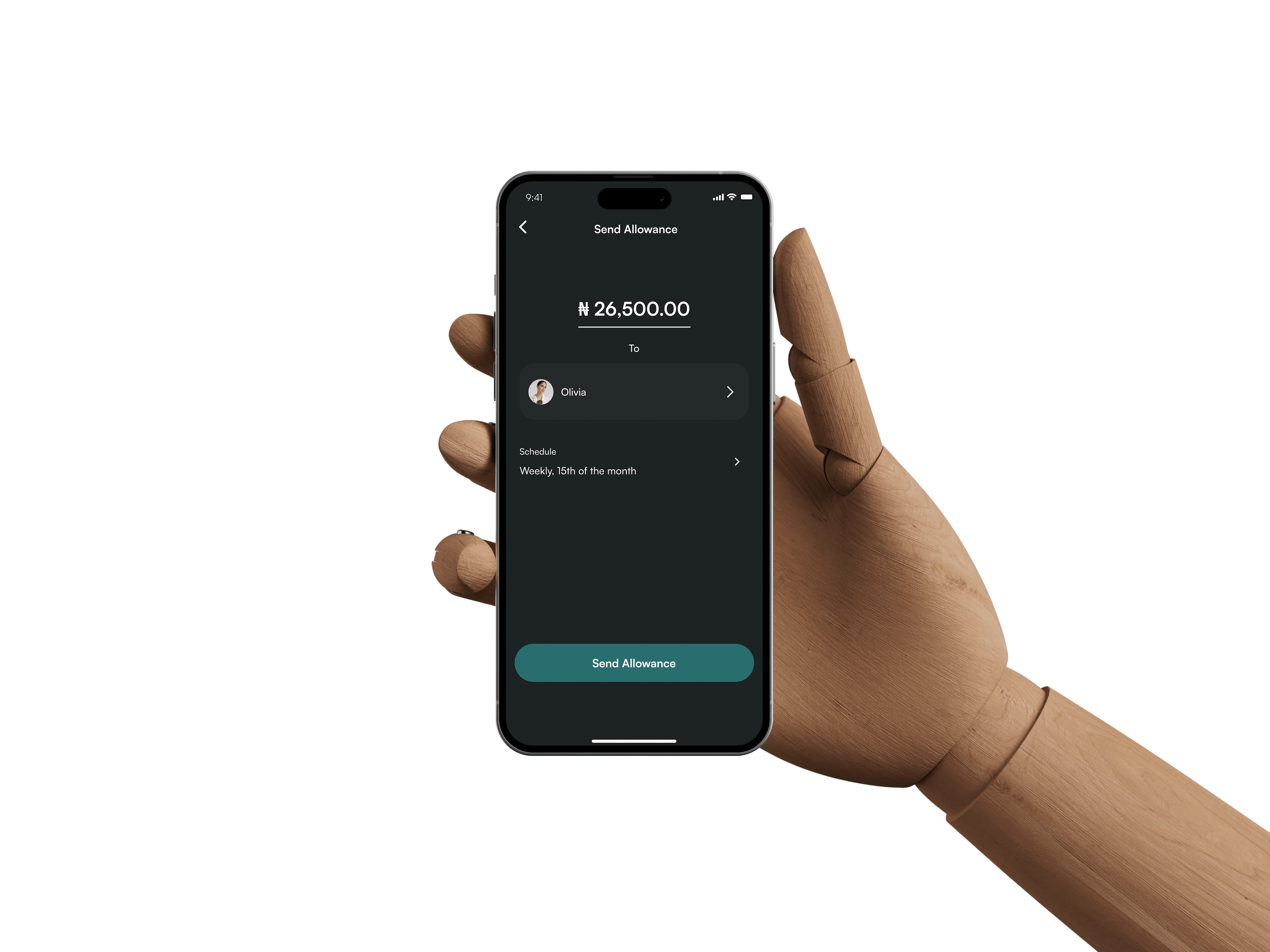
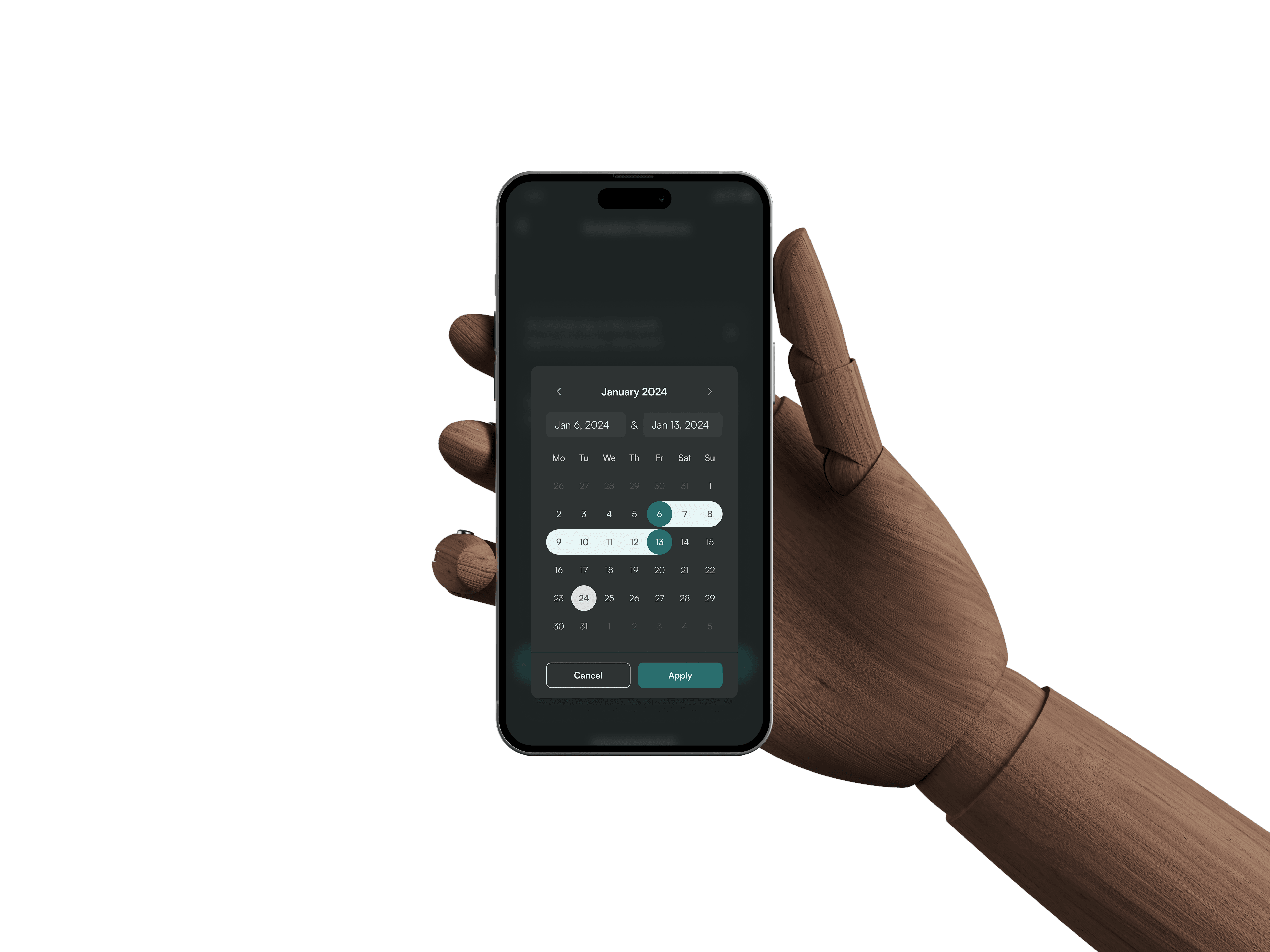
* Developed branding with Celadon Green (#307E7E) for trust and calmness.
* Chose Satoshi font for clarity and accessibility, particularly for older users.
* Iterated on the parent card interface, refining unclear buttons into clear, interactive elements inspired by Practical UI and peer feedback.
3. Testing & Refinement
* Incorporated multiple visual indicators to improve affordance.
* Focused on accessibility: high-contrast text, clear iconography, and font legibility.
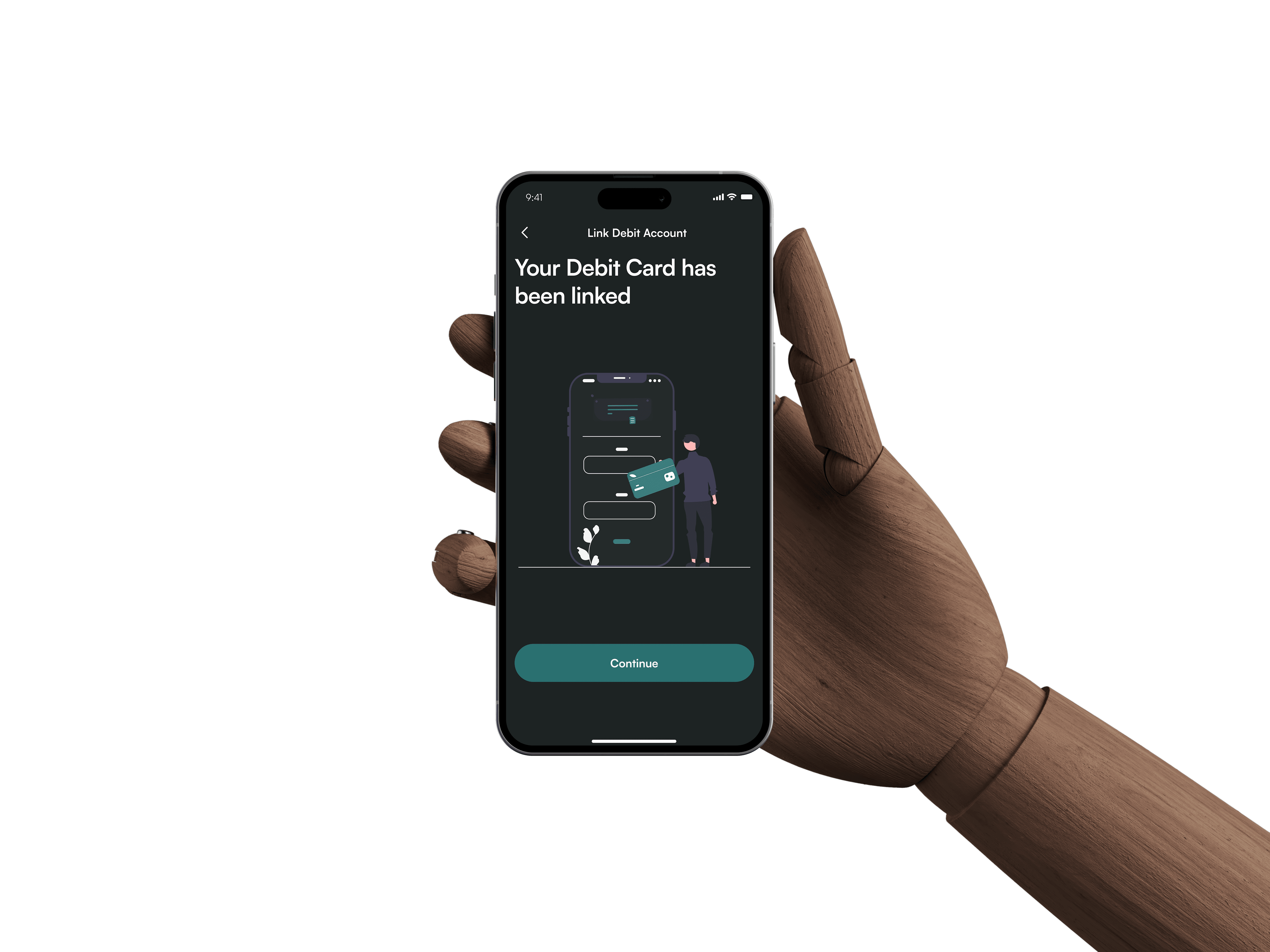
Screens
* Parent dashboard with card controls, spending insights, and simplified task management.
* Early exploration for the children’s view (in development), designed to gamify saving and spending responsibly.
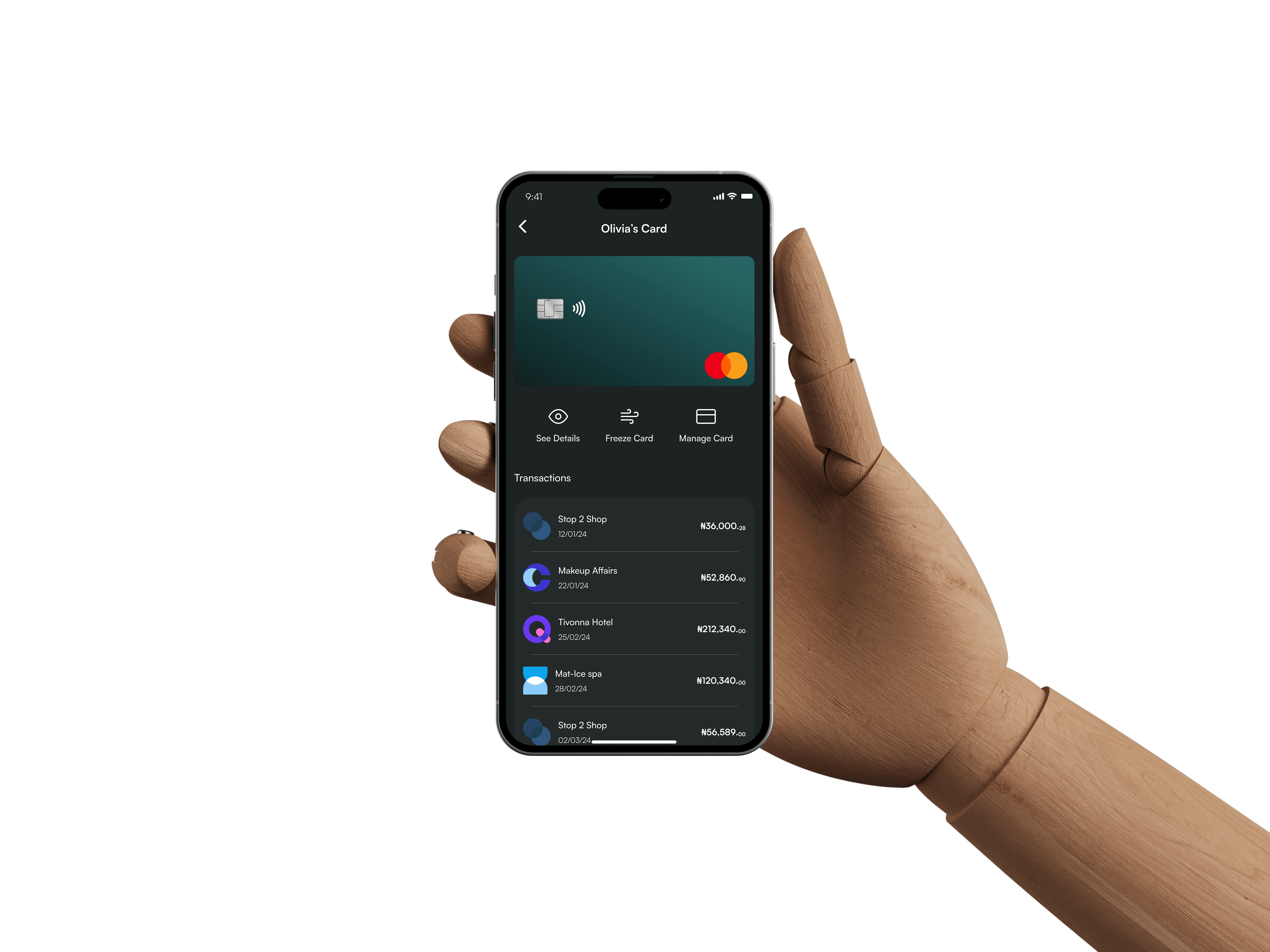
This project reinforced the importance of designing for both **user needs and accessibility**. The solution reduced effort for parents while keeping financial education engaging for children.
My Lessons learned: even small details (like font choices or visual indicators) can make or break usability across diverse age groups, so being minimal but strategic goes a long way
Next steps for me would be expanding the children’s experience and adding gamified financial literacy features.